New York Accent
The classic New York accent is non-rhotic — the R in "car" is often dropped — with a raised "aw" vowel, a distinctive "oi" sound in words like "bird", and a stopped "th" that turns "them" into "dem" and "three" into something close to "tree". It is one of the few American accents that is traditionally non-rhotic, which is why it sounds so different from General American. The accent varies by borough: the Bronx, Brooklyn and Staten Island are each distinguishable, and the traditional sound is strongest among older working-class speakers.
Hear it from real speakers
Every recording below is an unscripted native speaker, not an actor performing the accent — the reference that actually matters when you're learning it.

New York Accent
Mamaroneck, New York, United StatesWatch
Omaha, Nebraska Midwest Accent
Omaha, Nebraska, United StatesWatch
Nashville Accent
Nashville, Tennessee, United StatesWatch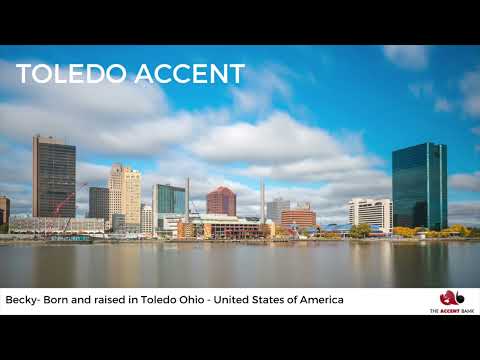
Toledo Accent
Toledo, Ohio, United StatesWatch
American Accent
Los Angeles, California, United StatesWatch
Bay Area California Accent
San Francisco Bay Area, United StatesWatchWhat actually separates them
The differences that matter when you're learning it — not the version you'd get from a vocabulary list.
- Non-rhotic — genuinely unusual for America
- The New York accent traditionally drops the R at the end of a word and before a consonant, so "car" becomes "cah". Almost all American accents are rhotic, so this single feature sets New York apart from the rest of the country and is the fastest way to make a performance read as New York rather than generic American.
- Beyond the stereotypes
- The "toity-toid" caricature exaggerates a real vowel shift out of all proportion. The actual feature is a raised vowel in words like "bird" and "third" — real, but much subtler than the comedy version. Actors who build from the caricature produce something audiences hear as a joke, which is why working from recordings of real speakers matters more here than for almost any other American accent.
- Borough differences
- The Bronx, Brooklyn, Queens and Staten Island accents are not identical, and the traditional working-class Manhattan accent has largely dispersed. Native New Yorkers place each other by borough, so an actor preparing a New York character benefits from picking one rather than blending them into a generalised sound.
- Older and younger New York
- The traditional New York accent is strongest among older and working-class speakers and has receded among younger and more affluent ones. That makes it a genuine class and generation marker, which is often exactly what a script is asking for when it specifies New York rather than American.
Common questions
Why does the New York accent drop the letter R?
New York English is traditionally non-rhotic, meaning the R is silent at the end of a word and before a consonant. This came from the same historical influence that shaped RP and older London speech. It is unusual because almost all other American accents pronounce every R.
Is the New York accent dying out?
The traditional form is receding, particularly among younger and more affluent speakers. It remains strongest among older and working-class New Yorkers, and it is still a reliable marker of both class and generation.
What is the "toity-toid" thing?
It is a comic exaggeration of a real feature: the raised vowel New Yorkers use in words like "bird" and "third". The genuine sound is much subtler than the caricature, and building a performance from the parody rather than from real recordings is why many New York accents on screen sound like a joke.
Working on New York accent for a role?
The recordings on this page are the reference. If you need correction, direction and someone to tell you when it's right, Sarah teaches this one-to-one — and there's a self-paced course if you'd rather work alone.