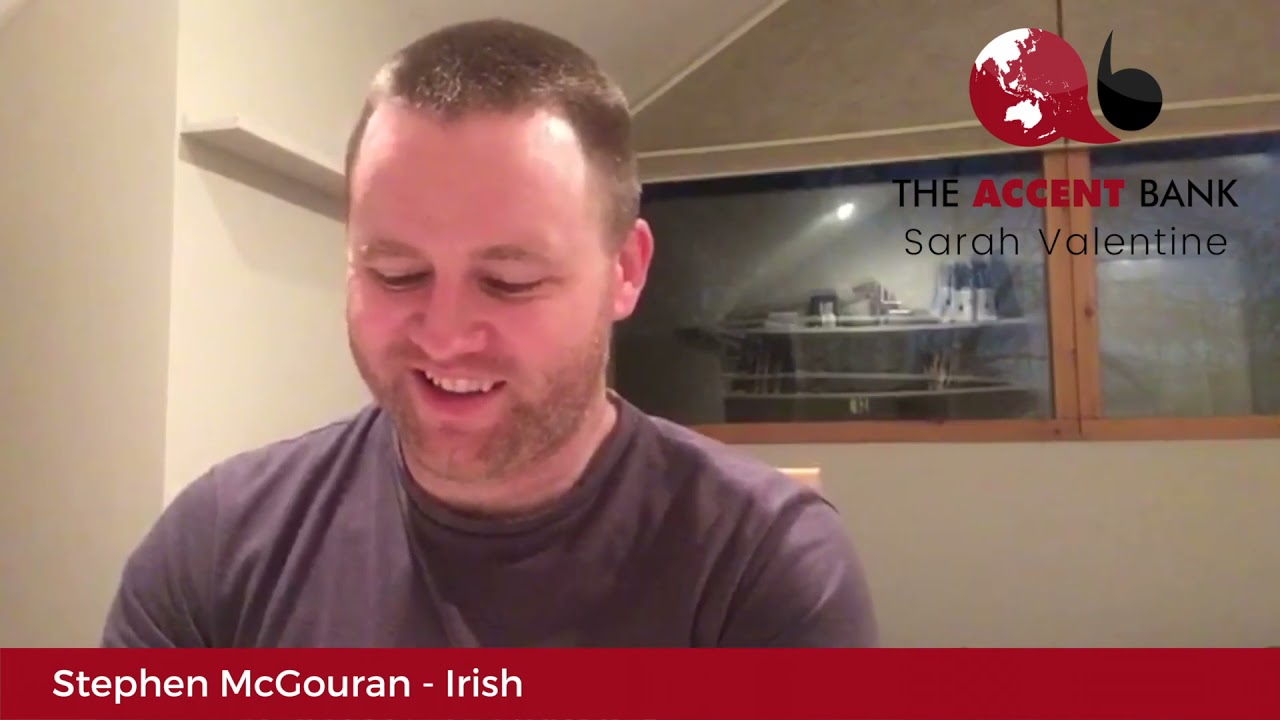
Learn the Dublin Accent
Listen to Peter from Dublin, recorded naturally.
Accent Basics: Dublin
This recording was donated by Peter, from Dublin in Ireland. It is one authentic voice, recorded naturally rather than performed — useful as a reference for the real sound of the region, and for hearing how it differs from other parts of Ireland.
What to Listen For
Observe Dublin pronunciation patterns and intonation.
Key Characteristics
- Largely non-rhotic — the R after a vowel is generally dropped, especially in working-class Dublin speech
- Open, rounded vowels that differ clearly from their British English equivalents
- A pronounced rise and fall in intonation across the phrase, not just at the end
- Fronted "th" sounds in some Dublin varieties, where "think" shifts toward "tink"
Pronunciation Examples
Often non-rhotic, with a long open vowel where a Belfast speaker would keep the R
A raised vowel quality, distinctive of Dublin English
A long, open vowel — listen for how it sits compared with English English
A fronted vowel, one of the more recognisable Dublin sounds
Notable Characteristics
- ★Dublin is largely non-rhotic; Belfast is rhotic — the clearest single difference between the two
- ★The melodic rise and fall is the accent's signature, and flat intonation gives the game away fastest
- ★Dublin speech varies sharply by area and class, from inner-city to the middle-class suburbs
- ★Dublin is the most exported Irish accent, so audiences have a strong mental template for it
- ★Irish English grammar and vocabulary differ from British English in consistent ways that add authenticity
Vowel Patterns
Dublin English is the most widely heard Irish accent, and one of the most melodic in the English-speaking world. Its character comes from a strong rise-and-fall in pitch across a sentence, with vowels that are noticeably more open than their British equivalents. Unlike Belfast, Dublin English is largely non-rhotic — the R after a vowel is usually dropped, so "car" sounds closer to "cah". That single difference is the most reliable way to tell a Dublin accent from a northern one.
Consonant Sounds
Consonant sounds in Dublin English — the production details actors need to plan for.
- Largely non-rhotic — the R after a vowel is usually dropped
- "Th" often fronted toward "t" or "d" in Dublin speech
- T between vowels commonly realised as a light tap or glottal stop in casual speech
- Voiced consonants stay soft, contributing to the accent's melodic quality
Intonation & Rhythm
Dublin intonation rises and falls several times across a sentence rather than holding one contour to the end. The effect is musical and is the accent's most recognisable feature. Getting the vowel sounds right while keeping English rhythm produces something that reads as an imitation, so learn the melody first and let the vowels hang on it.
How to Practice This Accent
Listen Repeatedly
Watch the video multiple times, focusing on rhythm, intonation, and word stress patterns.
Repeat Out Loud
Practice speaking along with the recording to match the natural flow and pronunciation.
Record Yourself
Compare your pronunciation with the native speaker and adjust accordingly.
Use in Context
Practice speaking sentences and paragraphs that incorporate the accent's unique sounds.
Work One-on-One with Sarah Valentine
Get personal guidance and detailed feedback on your dublin accent work from Sarah Valentine, the Actors Accent Coach. One-on-one Zoom coaching sessions are tailored to your specific goals — whether you're preparing for an audition, developing a character, or wanting to expand your accent range with expert support.
Accent Practice Sessions
Join The Accent Practice Sessions - a new accent every week with monthly subscription. Choose from Accent Essentials (£15/month, approx. $19) for practice without feedback, or Pro (£45/month, approx. $57) for live feedback. Perfect for actors who want continuous accent practice and improvement.
💡 Pro Tip
Use this authentic Dublin sample as a reference while practicing. Pay close attention to the distinctive sounds and rhythm that make this accent unique. Record yourself and compare your production to this native speaker model. Regular practice with immediate feedback will accelerate your progress significantly.
Accent Details
Location
Ireland
Dublin
Speaker
Peter
Format
video